Could that musty smell in your Austin home be a harmless annoyance, or is it a hidden danger threatening your family’s health and property? Living in a city famous for heat and humidity, Austin residents are uniquely exposed to mold issues. This article unpacks the vital importance of mold inspection Austin, giving you the tools—and peace of mind—to know when to act, how inspections work, and why professional help makes all the difference.
Are Musty Smells in Austin Homes a Warning Sign? Exploring Mold Inspection Austin
“Not all musty odors are harmless; some point to dangerous, hidden mold issues—especially in Austin’s humid climate where prompt mold inspection can make all the difference.” – Local Mold Inspector
In the ever-changing weather of Austin, musty odors often go unnoticed. Yet, these smells frequently point to a potential mold issue lurking behind walls or under floorboards. Austin mold thrives in environments with poor ventilation and high moisture—conditions all too common across Central Texas homes. Early detection and swift mold inspection Austin are necessary for preventing further damage, protecting your investment, and maintaining healthy indoor air.
This isn’t just about comfort. Texas mold can compromise not only the value of your property but also the safety of your family. Mold test results often reveal hidden threats that, left unchecked, can quickly escalate into hazardous situations requiring costly mold remediation. Addressing a mold problem early means securing your health and your home, making professional mold inspectors a wise first call for any musty-smelling Austin residence.
Instant Signs You Need Mold Inspection Austin
- Sudden musty odors in specific rooms
- Unexplained health symptoms or allergies
- Visible spots or materials damage
If you notice any of the above, a comprehensive mold inspection Austin can help determine the severity of the problem. Musty odors in particular rooms often signal mold growth in concealed areas, like behind walls or under carpets. Meanwhile, allergies or respiratory issues that worsen indoors are strong indicators of compromised air quality. Finally, physical signs—such as water stains, bubbling paint, or unexpected spots—typically mean the presence of mold is more than just a suspicion.
While mold is a primary concern, it’s important to remember that other environmental hazards can also impact your home’s safety. For example, if you’re interested in a comprehensive approach to property health, exploring asbestos inspection best practices can provide additional peace of mind, especially in older Austin homes.
What You’ll Learn About Mold Inspection Austin
- How mold inspection works and why it’s vital for Austin homes
- Key indicators of mold issues in Texas properties
- The process, cost, and benefits of professional mold inspection Austin services
- How to read mold test results and next steps for remediation
In this article, you’ll gain a clear understanding of the complete mold assessment process, explore how professionals deliver reliable results, and discover exactly why local homeowners can’t afford to ignore musty smells or visible damage. We’ll break down the specifics of testing, explain modern inspection sciences and methodologies, review pricing, and give actionable advice for keeping your Austin home safe and mold-free.
Fully Licensed & Certified (Austin Mold Inspections)
When it comes to indoor air quality and potential mold exposure, credentials matter. DB Integrity follows strict environmental and health standards and provides inspection documentation that can be used for insurance, real estate, and legal needs when applicable.
Our credentials include:
✅ TDLR Licensed Mold Remediation Contractor (License MACI992)
✅ IICRC Certified Technicians (IICRC#70029215) – Water Restoration (WRT) & Fire Restoration (FSRT)
✅ EPA RRP Certified – Lead-Safe Testing & Renovation
✅ DSHS Licensed – Asbestos Inspectors & Management Planners
✅ HUD, AHERA, TMARR, and TAHPR Compliance
We follow IICRC S500/S520 standards and provide thorough reporting and moisture documentation to support next-step decisions.
Why Mold Inspection Austin Is Essential for Texas Homeowners
Texas Mold: Local Climate Factors and Risks
Texas mold thrives in humid, warm climates—making Austin especially vulnerable. The blend of frequent rains, sudden temperature changes, and aging building materials creates an ideal environment for mold in your home. Even brief periods of water damage from storms or plumbing leaks can trigger significant mold growth, risking both property and health. Homeowners who recognize these regional risks are better positioned to act swiftly, scheduling mold testing at the first sign of trouble.
The reality: the presence of mold often signals ongoing moisture intrusion. That’s why professional mold inspectors in Austin bring both local expertise and seasoned experience—allowing them to spot red flags that standard DIY kits or basic cleaning won’t catch. With mold issues specific to this part of Texas, relying on experts with years of experience ensures nothing is overlooked.
Protecting Indoor Air Quality and Health
Unchecked mold growth in Austin homes isn’t just a visual nuisance. It can greatly diminish indoor air quality, leading to respiratory problems, persistent allergies, and even severe health complications for vulnerable residents. Mold spores become airborne, spreading throughout the house and settling on surfaces where they are easily inhaled. For children, the elderly, and those with asthma or sensitivities, mold issues can have serious long-term consequences if not addressed with a thorough mold inspection Austin.
The World Health Organization and EPA both stress the importance of proactive air quality management, particularly in regions like Austin. Investing in professional mold testing and indoor air quality assessments isn’t just for peace of mind—it’s an essential step in safeguarding your family’s health for years to come.
Connecting Austin Mold Problems and Mold Testing
Austin’s humid subtropical climate acts as a breeding ground for mold, making ongoing mold testing a necessity. Stagnant indoor air, patchy ventilation, and even minor plumbing issues often lead to rapid mold growth. Smart homeowners know that regular inspection services can catch these problems before they multiply, ensuring timely remediation and lower repair bills.
Whether you’re buying a new home, noticing odd smells, or recovering from storm-related water damage, a reliable mold inspector provides more than just a mold test. Their intervention delivers peace of mind, prevents property destruction, and establishes a clear action plan if mold remediation is necessary.
Understanding Mold Issues: Mold in Your Home, Causes, and Health Risks
Common Triggers Requiring Mold Inspection Austin
It’s not uncommon for Texas homeowners to mistake harmless odors for minor nuisances. However, certain conditions almost always require a prompt and thorough mold inspection Austin—especially after significant moisture events or noticeable changes in your home’s environment. Triggers like:
- Unexplained increase in allergy symptoms or respiratory distress
- Signs of water damage—even if they seem localized
- Stained, bubbled, or warped building materials
- Persistent musty or earthy odors concentrated in one area
Quick action catches early mold problems and limits repair costs. Ignoring these mold issues, on the other hand, lets spores multiply, resulting in a larger and more expensive problem down the road.
Air Quality, Allergies, and Indoor Air Concerns
People often overlook the link between poor air quality indoors and ongoing health concerns. Mold spores and mycotoxins—urgent triggers for allergies, coughing, and headaches—linger long after visible mold has formed. Professional mold inspection Austin goes beyond the surface, measuring indoor air for contaminants and potential hidden colonies, ensuring you’re breathing clean and safe air.
Homeowners need to remember: controlling indoor air quality is as important as removing visible mold. Regular indoor air quality assessments and preventative mold testing are critical for anyone experiencing recurrent or unexplained symptoms at home.
Long-Term Impact of Ignoring Mold Issues
While a single musty smell might seem trivial, the long-term risk of neglecting mold issues is severe. Over time, unchecked mold growth will damage structural elements, compromise insulation, and decrease the value of your home. More seriously, chronic health effects can develop when residents are exposed to toxic colonies that go unnoticed or untreated. That’s why recurring mold inspection Austin is recommended by environmental health experts across Texas.
The cost of remediation and repair skyrockets if mold problems persist. By taking preventive measures now, you secure both your financial investment and your family’s wellbeing.
Identifying Musty Odors: Why Austin Homes Need Mold Inspection
Professional Mold Inspectors: What Sets Them Apart
Choosing a professional mold inspector for your Austin home is about more than credentials—it’s about safeguarding your investment with expertise. Certified mold inspectors use advanced methodologies to spot even the most hidden mold problems. Their training from bodies like the Texas Department of State Health Services ensures strict compliance and thoroughness. Unlike generic contractors, they are trained to recognize subtle indicators, perform moisture readings, and execute visual inspections alongside air and surface sampling.
What truly distinguishes reputable mold inspection sciences companies in Austin is their commitment to unbiased, conflict-free service. That means their only interest is your safety—not upselling repairs. Opt for firms with documented years of experience, positive client reviews, and a track record of clear, actionable reporting.
Step-by-Step Mold Testing and Mold Inspection Process
Mold inspection Austin generally starts with an initial phone assessment followed by an on-site visit. During an appointment, the inspector performs a visual inspection, checks humidity and temperature with digital instruments, and searches for visible mold signs. If indications of mold growth are found, the inspector collects surface and air samples for laboratory analysis. Depending on the findings, they may use advanced imaging (like infrared cameras) to detect hidden moisture without unnecessary demolition.
Sample collection is executed methodically: air testing cassettes, surface swabs, and sometimes bulk material collection help define the extent of the mold issue. Once testing is finished, you’ll receive a detailed report outlining the condition of your property, lab findings, and recommended next steps—including whether mold remediation is needed for safety.
Mold Inspection Sciences: Trusted Methodologies in Austin
The best mold inspection Austin companies follow protocols developed by leading environmental and public health agencies. These inspection sciences incorporate non-invasive moisture mapping, extensive air quality checks, and certified laboratory analysis of samples. This ensures you benefit from unbiased, accurate results that guide both immediate remediation and future prevention.
Modern inspection sciences also stress transparency and customer education, so your final report is easy to read and comes with recommendations you can act upon.
| Aspect | Professional Mold Inspection Austin | DIY Mold Test Kits |
|---|---|---|
| Professional Mold Inspector Features | Certified professionals, advanced equipment, unbiased reporting | Basic swabs or petri dishes |
| Peace of Mind | High—reliable diagnostics, expert recommendations | Low—risk of false negatives, user error |
| Inspection Services Offered | Visual and moisture assessment, air quality checks, sample collection | Surface sampling only |
| Average Cost | $$ | $40–$100 |
| Remediation Recommendations | Yes, included in report | No, interpretation requires professional review |
Mold Test Methods and Mold Testing Options Explained
Surface Samples, Air Quality Checks, and Indoor Air Quality Assessments
There are several ways to conduct mold testing in Austin homes. Surface sample methods (swabbing visible mold or stained materials), air quality checks (pulling airborne spores onto a cassette for lab analysis), and comprehensive indoor air quality assessments form the backbone of any professional inspection. Each test targets specific risks—air tests measure what you’re breathing, while surface samples reveal exactly where and what type of mold growth you’re dealing with.
Professional inspectors pair these with high-sensitivity lab tools, ensuring even low levels of harmful mold are detected. Regular testing services can confirm whether previous remediation was successful and provide a benchmark for ongoing air quality improvements in Austin homes.
When to Request a Professional Mold Test versus At-Home Kits in Austin
While DIY kits tempt with low cost and convenience, they often deliver unreliable or incomplete results. Opt for a professional mold test if you suspect a health risk, have persistent mold issues, face recurring allergies, or plan to buy or sell a home. Licensed inspectors offer comprehensive mold assessments, interpret lab findings, and can suggest targeted mold remediation strategies—services that at-home kits can’t match.
“Choosing the right mold test can mean the difference between identifying a minor issue — or missing a major Austin mold threat.” – Industry Expert
At-home kits suffice for surface checks but miss hidden sources, poor indoor air quality, and active leaks. For accurate, actionable data, a full service mold inspection Austin is your best investment.
What to Expect from Your Professional Mold Inspection Austin Visit
Inspection Services: What Will Happen at Your Appointment
When you schedule a mold inspection Austin, expect a thorough and methodical process. The inspector arrives with advanced diagnostic tools for moisture measurement, infrared scanning, and laboratory-grade sampling. They’ll first discuss your concerns, conduct a visual inspection of problem areas, and gather environmental readings. If mold is suspected, they perform targeted sampling—both air and surfaces are often tested to provide a complete risk assessment.
Many inspection services offer on-the-spot insights, while detailed lab reports (which guide any necessary mold remediation) are delivered within a few days. Expect a clear summary identifying problem areas, recommended solutions, and if needed, references to trusted remediation providers in the Austin area.
Reading Mold Test Results and Understanding Reporting
Lab reports from your mold inspector will list detected mold types, concentration levels, and possible health impacts. These reports can be technical, but your inspector will interpret results, clarifying which findings demand urgent action and which are low risk. Elevated spore counts may indicate hidden problems, even if no visible mold is found. The best inspection sciences services include clear, actionable remediation recommendations based on these findings.
Ask your inspector to explain highlights in simple terms: is remediation needed now, or should you plan for monitoring? Understanding your report fully is key to maintaining both health and property value.
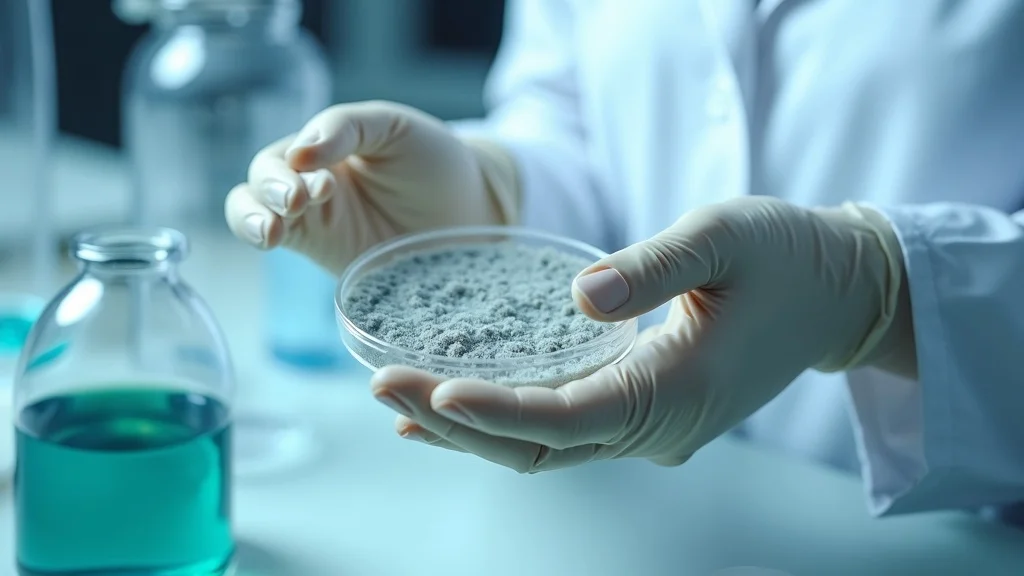
Post-Inspection: What Next If Mold Remediation Is Needed?
If your mold inspection Austin identifies a serious issue, prompt remediation is crucial. Professional reports typically rank severity, outline which areas must be sealed or treated, and suggest local mold remediation specialists. Follow-up testing services are often scheduled post-remediation to confirm the job is complete and your indoor air quality is restored. The best inspectors partner with unbiased contractors, ensuring there’s no conflict of interest in their recommendations.
Remember, swift action minimizes repairs, protects your health, and restores confidence in your home’s environmental safety.
Cost of Mold Inspection Austin: What Homeowners Need to Know
How Much Is a Mold Inspection in Texas?
Price Ranges and What Influences Cost
In Texas, mold inspections average between $300 and $700. Variables such as property size, level of detail required, and inclusion of laboratory analysis impact the final bill. Comprehensive packages covering air quality checks, sample collection, and moisture mapping are typically at the higher end. Some companies offer bundled, flat-rate services, while others price per test or per room, so always clarify up front.
Why Mold Inspection Costs May Vary by Company and Property Size
Costs for mold inspection Austin fluctuate based on several factors: an older home with lots of crawl spaces costs more to investigate; larger properties require more time and samples; and companies with years of local experience often charge a premium for their expertise and reporting. Choosing reputable firms ensures you receive a thorough assessment, detailed documentation, and reliable recommendations—saving you money if mold problems are uncovered.
| Service | Average Price | Inclusions |
|---|---|---|
| Basic Mold Test (DIY) | $40–$100 | 1–2 surface samples, no professional report |
| Professional Mold Inspection | $579–$900 | Visual inspection, air quality, samples, detailed report |
| Comprehensive Mold Assessment | $700–$1,200 | Full home inspection, advanced lab analysis, and remediation plan |
How Much Is a Mold Inspection Usually?
National Averages vs Austin Rates
Nationally, mold inspections range from $250 to $800, with many Austin companies offering competitive local rates. However, the city’s unique climate and intense humidity sometimes mean inspection rates trend slightly higher due to the specialized equipment and expertise required for accurate mold assessment.
Hidden Fees to Watch For
Ask upfront about lab fees, report generation charges, and whether there’s a travel surcharge for your property location. The best companies provide clear, all-in pricing, so there are no surprises once the inspection services are complete.
How Much Is It To Get Checked for Mold?
Affordable Mold Inspection Options in Austin
A basic professional check starts around $579 but may increase with advanced diagnostics or emergency calls. Some Austin companies offer tiered plans for annual indoor air quality checks or quick-response appointments after storms or leaks. Always compare what’s included—a lower price may not get you the peace of mind that comes from a full comprehensive mold assessment.
A behind-the-scenes look at a mold inspection in an Austin home, showing the inspection process, use of state-of-the-art equipment, interaction with the homeowner, and steps taken to ensure thoroughness and safety. Dynamic cuts between inspectors, visible test equipment, and visual explanations of different types of mold and affected home areas. Includes outdoor shots for local context.
How to Choose the Best Mold Inspector in Austin: Credentials and Considerations
- Certifications, licensing, and experience—choose inspectors licensed by the Texas Department of State Health Services.
- Client reviews and case studies from Austin mold issues—look for companies with local expertise and positive testimonials.
- Conflict of interest: Why unbiased inspection matters—ensure the inspector does not profit from remediation work.
The best mold inspectors in Austin are independent, experienced, and happy to provide proof of credentials and references. Choose wisely and prioritize both knowledge and transparency.
Peace of Mind: The Value of Working with a Professional Mold Inspection Austin Service
Guarantees, Follow-Up, and Customer Support
Leading mold inspection sciences companies offer clear guarantees—a promise of unbiased findings and support after your inspection. Many include free follow-ups, rapid customer service, and post-remediation retesting to ensure your home stays mold-free. It’s this robust approach that brings true peace of mind—knowing you have an expert ally at every step.
Mold Prevention Tips for Austin Residents
- Control indoor humidity and ensure regular ventilation
- Address leaks and water damage promptly
- Schedule annual indoor air quality checks and mold testing
Proactive steps—like dehumidifiers, timely repairs, and scheduled inspections—protect your home before mold growth takes hold.
An expert breakdown on new mold inspection technologies, the latest trends in austin mold testing, and practical advice for homeowners facing humidity and water damage risks.
People Also Ask about Mold Inspection Austin
How much is a mold inspection in Texas?
A typical mold inspection in Texas costs between $579–$900, depending on property size, complexity, and service provider. Specialized mold test methods and remediation planning may add to the cost.
How much is a mold inspection usually?
Across the U.S., mold inspections generally range from $750 to $1200. Austin rates are competitive but can run higher with advanced mold testing or large homes.
How much is it to get checked for mold?
Getting your home checked for mold with a professional mold inspection Austin company may start around $200 and rise based on scope, technology used, and immediate remediation needs.
FAQs: Common Concerns About Mold Inspection Austin
- What’s included in a professional mold inspection Austin service?
Comprehensive inspection, air and surface testing, lab analysis, detailed reporting, and remediation advice. - How soon should mold testing be done after spotting signs?
As soon as possible—delays allow mold to grow and damage to worsen. - Can DIY mold test kits in Austin replace professional services?
DIY kits are limited and unreliable; they can’t match the thoroughness or diagnostic accuracy of professional services. - How long does a typical mold inspection take?
Usually 1–2 hours for a standard home, with lab results in 1–3 days. - Will insurance cover Austin mold remediation following inspection?
Sometimes—review your policy. Coverage often depends on the cause of mold and quick reporting of water damage events.
Key Takeaways from Mold Inspection Austin
- Musty smells mean: take action with prompt mold inspection Austin
- Mold inspection sciences and professional expertise ensure reliable results
- Invest in reliable Austin mold testing for peace of mind and property protection
Ready for Mold Inspection Austin? Book Your Trusted Professional Today
Take control of your home’s health—contact a licensed professional for your mold inspection Austin today and breathe easy, knowing you’ve made the smart, safe choice.
Safeguarding your home from mold is just one aspect of a comprehensive protection strategy. If you’re looking to further enhance your property’s resilience against unexpected events, consider exploring additional home protection solutions that address a wide range of risks, from environmental hazards to disaster recovery. By staying proactive and informed, you can ensure your Austin home remains a safe haven—no matter what challenges arise. Take the next step in home care and discover advanced strategies that go beyond mold, empowering you to protect your investment for years to come.