Essential Water Damage Prevention Strategies for Homeowners
Implementing effective water damage prevention is essential to protect your property from devastating financial losses and hidden health hazards. By taking proactive steps today, you can preserve your home’s structural integrity and drastically reduce future remediation costs. This comprehensive guide outlines practical, structured strategies for identifying vulnerabilities, detecting moisture early, and applying reliable waterproofing measures, ensuring you are fully prepared to safeguard your most valuable asset.
What Are the Common Causes and Early Signs of Water Damage?
Water damage originates from several predictable sources, including roof leaks, burst pipes, and heavy-rain flooding. Early signs include wet spots on walls or ceilings, visible discoloration, and mold growth. Prompt recognition and inspection reduce escalation and repair expense. Regular checks are essential to identify issues before they worsen.
How to Detect Water Leaks and Moisture Intrusion Early
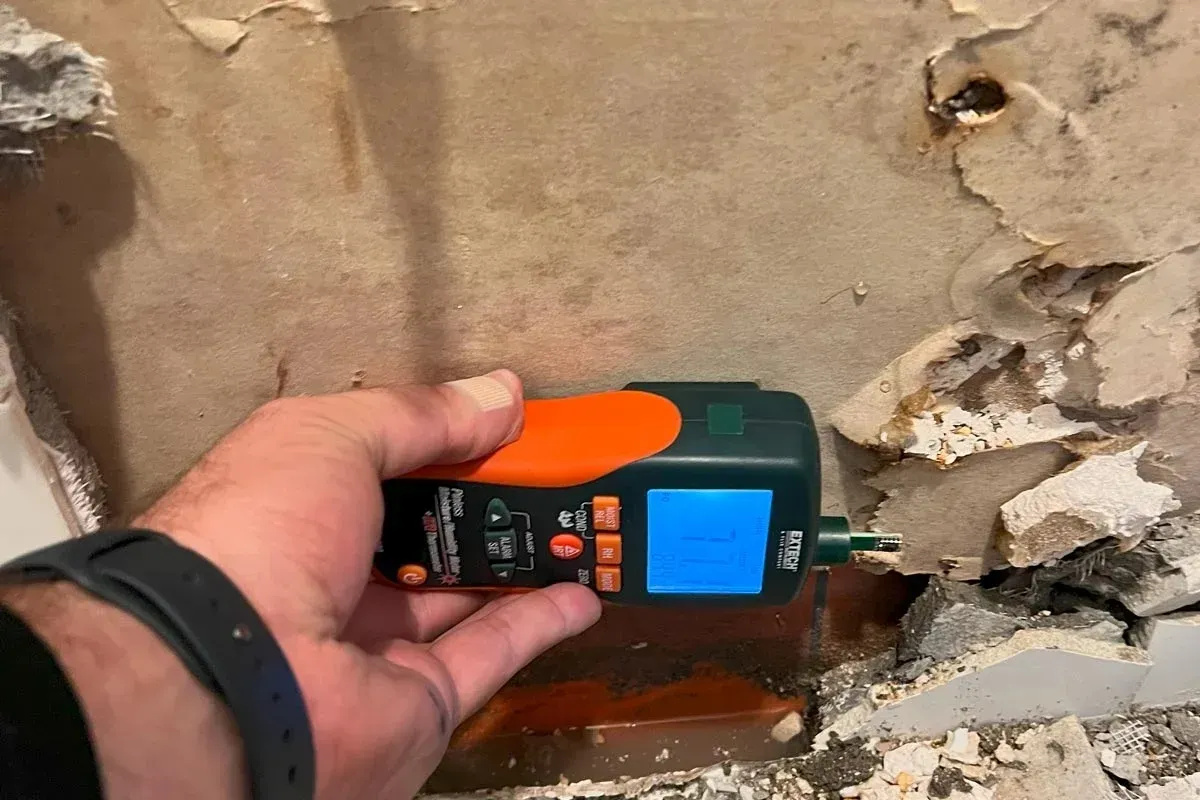
Detecting water leaks and “moisture intrusion” at an early stage limits damage and lowers remediation costs. Use a combination of inspections and measurements for reliable detection.
- Visual Inspections: Regularly check for signs of water stains, mold, or peeling paint in areas prone to moisture.
- Moisture Meters: Use moisture meters to measure humidity levels in walls and floors, helping identify hidden leaks.
- Air Quality Testing: Conduct air quality tests to detect mold spores, which can indicate moisture problems.
Applying these detection methods allows issues to be addressed before they cause significant structural or health impacts.
Which Property Areas Are Most Vulnerable to Water Damage?
Certain locations within a property carry higher water-damage risk. Awareness of these zones supports targeted prevention and maintenance efforts.
- Basements: Often prone to flooding and moisture accumulation, especially in heavy rains.
- Roofs: Aging roofs with missing shingles or leaks can allow water to seep into the home.
- Gutters: Clogged gutters can lead to overflow, causing water to pool around the foundation.
Routine maintenance and inspections of basements, roofs, and gutters reduce the likelihood of serious water intrusion.
What Preventative Home Waterproofing Methods Can Safeguard Your Property?
Preventative waterproofing is a practical way to limit water entry and structural harm. Implementing established methods strengthens a property’s resilience.
- Inspect Roofs and Gutters: Regularly check for debris and ensure proper drainage to prevent water buildup.
- Seal Foundation Cracks: Use waterproof sealants to fill any cracks in the foundation, preventing water intrusion.
- Install Sump Pumps: In areas prone to flooding, sump pumps can help remove excess water and keep basements dry.
Research highlights the value of building techniques that mitigate flood damage and improve overall property resilience.
Building Techniques for Flood Damage Prevention
This work presents building adaptation techniques for flood-prone areas, quantifies preventable flood damage, and specifies the requirements and limits of flood resilience. It also outlines new strategies for reducing damage in urban areas prone to flooding. 2018
For professional assistance, DB Integrity LLC provides property damage restoration, including water-damage prevention and remediation. Their services can help ensure appropriate protective measures are in place.
How Does Basement Waterproofing Prevent Structural Damage?
Basement waterproofing prevents water entry that can undermine foundations. Proper waterproofing reduces indoor humidity and limits conditions that support mold growth. As a result, the procedure helps preserve foundation stability and indoor air quality.
What Maintenance Practices Reduce Water Damage Risks?
Regular maintenance is a primary defence against water damage. Focused checks and timely repairs reduce failure risk and long-term costs.
- Routine Inspections: Conduct regular checks of roofs, gutters, and plumbing systems to identify potential issues.
- Seal Cracks: Regularly inspect and seal any cracks in foundations or walls to prevent water entry.
- Maintain Plumbing: Ensure that plumbing systems are in good condition and address any leaks immediately.
Adhering to these practices substantially lowers the probability of water-related incidents.
Effective Waterproofing Methods to Protect Your Property
When water damage occurs, a prompt, structured response limits harm and protects occupants. Follow established safety steps immediately.
- Immediate Risk Assessment: Evaluate the extent of the damage and identify any immediate hazards, such as electrical risks.
- Utility Shutoff: Turn off electricity and water supply to prevent further damage and ensure safety.
- Document Damage: Take photos and notes of the damage for insurance claims and restoration purposes.
Prompt assessment, securing utilities, and thorough documentation help mitigate loss and streamline recovery.
How to Perform Emergency Water Extraction and Drying
Rapid water extraction and controlled drying are essential to prevent secondary damage. Follow safety protocols before beginning recovery work.
- Ensure Safety: Before starting, ensure that the electricity is turned off to avoid electrocution.
- Remove Standing Water: Use pumps or wet vacuums to remove any standing water as quickly as possible.
- Ventilate the Area: Open windows and use fans to promote airflow and aid in the drying process.
These actions reduce the likelihood of mold development and limit further structural deterioration.
When Should You Contact Professional Water Damage Restoration Services?
Engage professional restoration services when damage is extensive or when hazards exist that require specialist equipment and training.
- Visible Water Damage: If you notice significant water damage on walls or ceilings.
- Persistent Odors: Unpleasant smells can indicate hidden mold or moisture issues.
- Signs of Structural Damage: Cracks in walls or ceilings may suggest serious underlying problems.
Certified professionals bring the necessary expertise and equipment to address complex or unsafe situations effectively.
How Can Mold Prevention and Remediation Protect Your Property and Health?
Mold prevention and remediation protect both the building and occupant health. Controlling humidity and ensuring adequate ventilation reduce mould risk. Professional remediation removes contamination and implements measures to prevent recurrence, restoring a safe indoor environment.
What Are the Health Risks Associated with Mold Growth?
Mould growth can have adverse health effects, particularly for susceptible individuals. Common issues include allergic reactions, respiratory exacerbations, and other complications in people with weakened immune systems. Prompt remediation reduces these health risks.
- Allergic Reactions: Symptoms such as sneezing, itching, and skin irritation can occur in sensitive individuals.
- Respiratory Issues: Mold exposure can lead to asthma attacks and other respiratory problems.
- Severe Health Problems: Prolonged exposure may result in more serious health complications, especially for those with weakened immune systems.
Recognising these risks underscores the need for timely, certified remediation when mould is present.
Which Certified Mold Remediation Techniques Are Most Effective?
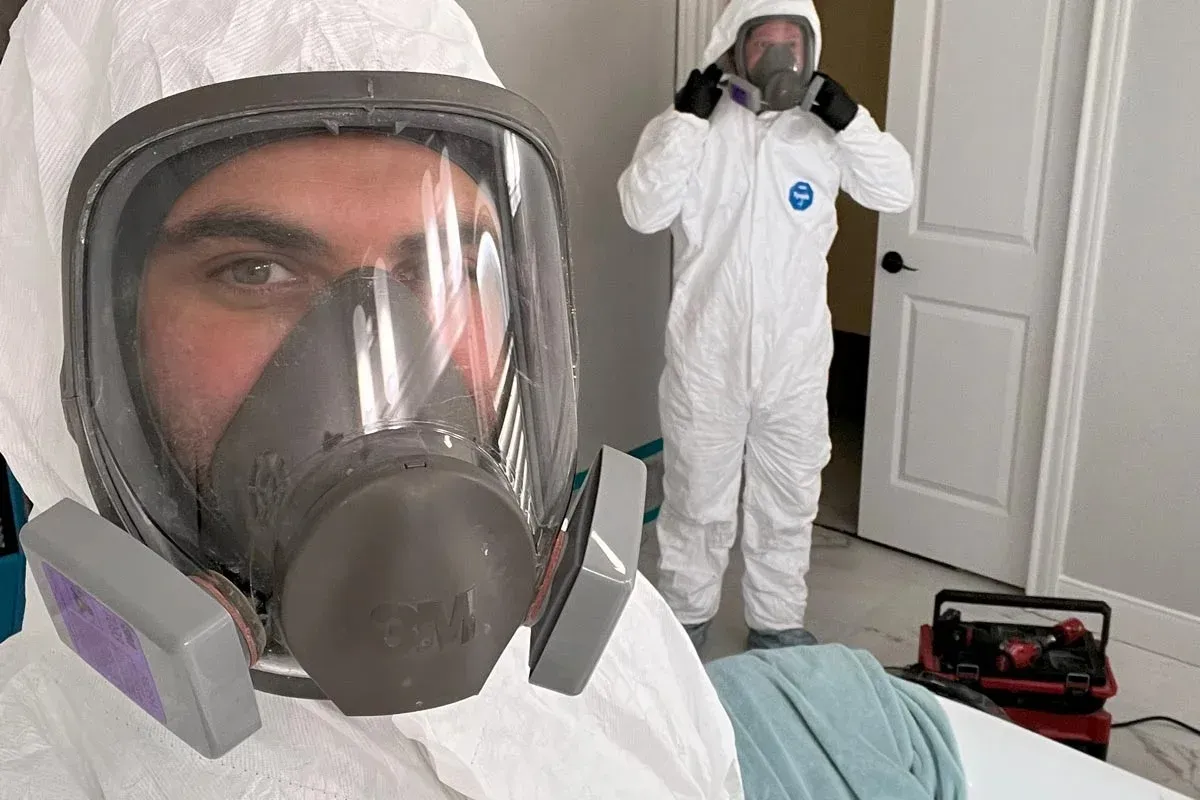
Effective “mold remediation” relies on established, certified procedures focused on containment, safe removal, and verification.
- Containment: Isolating affected areas to prevent mold spores from spreading.
- Material Removal: Safely removing contaminated materials, such as drywall or carpeting.
- Post-Remediation Testing: Conducting tests to ensure that mold levels are safe after remediation.
When performed by certified technicians, these methods effectively remove contamination and restore a healthy environment.
How Do You Navigate the Insurance Claims Process for Water Damage?
The insurance claims process for water damage requires clear documentation and timely communication with your insurer.
- Notify Your Insurer: Contact your insurance company as soon as possible to report the damage.
- Document Everything: Keep detailed records of the damage, including photos and repair estimates.
- Understand Your Policy: Familiarize yourself with your coverage details to ensure you receive the benefits you are entitled to.
Following these steps helps streamline claims handling and supports a fair assessment of loss.
What Documentation Is Required for Water Damage Insurance Claims?
Accurate documentation is critical to substantiate a water-damage claim and to expedite processing.
- Photos and Videos: Visual evidence of the damage is essential for claims processing.
- Inventory Lists: Detailed lists of damaged items can help substantiate your claim.
- Repair Logs: Records of any repairs or assessments conducted can support your case.
Maintaining these records prior to insurer contact reduces dispute risk and accelerates recovery funding.
Does Homeowners Insurance Typically Cover Water Damage?
Coverage for water damage varies by policy. Standard homeowners insurance commonly covers sudden, accidental incidents such as burst pipes. Flood loss, however, is generally excluded and requires separate flood insurance. Review policy terms to confirm coverages and exclusions.
Why Choose DB Integrity LLC for Professional Water Damage Restoration Services?
DB Integrity LLC is a San Antonio–based restoration firm specialising in water, fire, mould, and storm damage restoration. Their service model focuses on rapid mobilisation, technical competence, and collaboration with insurers to support recovery.
- Immediate Response: They offer 24/7 services to address emergencies promptly.
- Highly Trained Specialists: Their team is equipped with advanced equipment and expertise.
- Insurance Collaboration: They assist with the insurance claims process, ensuring a smooth experience for clients.
The company’s structured approach and commitment to quality support effective, documented restoration outcomes.
What Certifications and Rapid Response Services Does DB Integrity Offer?
DB Integrity LLC maintains certifications that validate their technical capability in restoration work.
- Texas-licensed Asbestos and Mold Assessor: Ensuring safe handling of hazardous materials.
- IICRC Certified: Their technicians are trained in Water Restoration and Fire Restoration.
- 24/7 Emergency Response Services: They are always ready to assist in urgent situations.
These credentials and services reflect a commitment to compliant, high-quality restoration practices.
How Have Local San Antonio Customers Benefited from Our Restoration Expertise?
San Antonio clients report tangible benefits from professional restoration, including reduced downtime and clearer recovery pathways.
- Rapid Emergency Response: Quick action minimizes damage and facilitates recovery.
- Expert Communication and Support: Clients receive clear guidance throughout the restoration process.
- Quality Workmanship: Their skilled team ensures thorough and effective restoration.
These outcomes illustrate the practical value of engaging certified restoration professionals.
Frequently Asked Questions
What are the long-term effects of water damage on a property?
Long-term water damage can weaken structural elements, damage foundations, and degrade walls. Ongoing moisture encourages mould growth, which may affect occupant health and reduce property value. Timely intervention is necessary to avoid escalating repair costs and lasting harm.
How can I prepare my home for potential flooding?
Preparing for flooding requires assessing site risk and improving resilience. Ensure adequate yard grading and drainage, elevate vulnerable utilities, and install barriers or sump pumps where appropriate. Maintain an emergency plan and kit to support safe evacuation and immediate response.
What should I do if I suspect mold growth in my home?
If you suspect mould, first remove the moisture source. Contain the affected area to limit spore spread. For extensive contamination or difficult access, engage a professional remediation service. Use protective gear during minor cleanup and document the condition for insurance purposes if needed.
Are there specific building materials that can help prevent water damage?
Certain materials reduce water-related risk. Water-resistant products, such as cement board in wet areas and waterproof membranes around foundations, limit intrusion. Mold-resistant drywall and treated timber also improve durability. Selecting these materials during construction or renovation enhances long-term protection.
How often should I perform maintenance checks to prevent water damage?
Perform maintenance checks at least twice yearly. Inspect roofs, gutters, basements, and plumbing for wear, blockages, or leaks. After major storms, conduct an additional review. Regular inspections catch issues early and extend the lifespan of structural components.
What role does landscaping play in water damage prevention?
Landscaping influences how water moves on a property. Proper grading directs runoff away from foundations. Strategic planting can absorb excess moisture and reduce erosion. Installing features such as French drains or dry wells enhances site drainage and lowers flood risk.
What are the signs that I need to upgrade my plumbing system?
Signs that plumbing needs replacement include frequent leaks, low water pressure, discoloured water, and unusual noises like banging or gurgling. Pipes older than typical service life may be prone to corrosion. Upgrading plumbing prevents damage and improves water quality.
In Conclusion, adopting structured prevention, early detection, and timely maintenance reduces the risk and cost of water damage. When incidents occur, follow emergency protocols and engage certified professionals for remediation and insurance support. Proactive steps preserve property value and protect occupant health.