San Antonio humidity mold is a pervasive issue that many homeowners fail to realize is silently affecting their indoor air quality and structural integrity. Located in a humid subtropical climate zone, San Antonio experiences long, sweltering summers and high moisture levels that provide the perfect breeding ground for fungal growth. While we often focus on the heat, it is the invisible water vapor in the air that acts as a catalyst for what many experts call a secret mold factory within local residences.
Understanding the science behind how moisture interacts with building materials is the first step in protecting your property. In South Texas, the interplay between outdoor humidity and indoor air conditioning creates unique challenges. When the dew point remains high for extended periods, even the most well-built homes can succumb to microbial colonies if preventative measures are not taken. This guide explores why our local climate is so conducive to mold and what you can do to mitigate the risks.
The Science of Relative Humidity and Mold Growth
Mold spores are everywhere, but they remain dormant until they find the right environment to flourish. The primary ingredient for this growth is moisture, specifically measured as relative humidity (RH). In San Antonio, outdoor RH often exceeds 80% during the early morning hours, frequently remaining well above the 60% threshold that microbial experts identify as the danger zone for indoor environments.
When indoor relative humidity levels stay above 60%, porous materials such as drywall, wood, and carpet fibers begin to absorb moisture from the air. This process, known as hygroscopic absorption, provides mold with the water it needs to digest the organic material it sits upon. Once a spore germinates, it can spread rapidly, releasing more spores and volatile organic compounds (VOCs) into the air you breathe.
According to the Environmental Protection Agency (EPA), controlling moisture is the only way to effectively control indoor mold. In a city like San Antonio, where the air is naturally heavy, this requires a sophisticated approach to ventilation and climate control. Without active intervention, your home effectively becomes an incubator for fungal species that can compromise both your health and your property value.
The “Cooling Clash”: How AC Units Contribute to the Problem
In San Antonio, air conditioning is not a luxury; it is a necessity. However, the very system designed to keep us comfortable can inadvertently contribute to mold growth. This occurs through a phenomenon known as condensation. When warm, humid air from the outside leaks into a home cooled to 72 degrees, it hits cold surfaces like windows, vents, and wall cavities.
This temperature differential causes the air to reach its dew point, resulting in liquid water forming on those surfaces. If your HVAC system is oversized, it may cool the house quickly without running long enough to remove the moisture from the air. This leaves you with a cold but damp environment—the ideal scenario for a secret mold factory. Proper HVAC sizing and maintenance are critical components of any long-term moisture management strategy.
Furthermore, the dark, damp interior of an air conditioning unit itself can become a source of contamination. Dust—which contains skin cells and other organic matter—accumulates on the evaporator coils. When combined with the condensation naturally produced by the cooling process, these coils become a buffet for mold. Professional mold inspection San Antonio services often find that the HVAC system is the primary vector for spreading mold throughout a home.
San Antonio’s Unique Climate Profile and Fungal Proliferation
San Antonio sits at a geographic crossroads where the humid air from the Gulf of Mexico meets the drier air from the West. This results in significant atmospheric instability and high humidity levels, especially during the spring and summer months. The Balcones Escarpment to the north can also trap moisture in the region, leading to prolonged periods of dampness that local homes must withstand.
Unlike desert climates where moisture evaporates quickly, San Antonio’s humidity lingers. This persistence is what makes the area a “secret factory.” Mold doesn’t need a massive flood to start growing; it just needs a few days of 70% humidity and poor airflow. Materials like plywood and OSB (oriented strand board) used in modern construction are particularly susceptible to this atmospheric moisture.
For those living near bodies of water or in areas with poor drainage, the risks are even higher. If you are dealing with moisture issues in surrounding areas, such as water restoration in Canyon Lake, you already know how difficult it can be to manage these levels. The local geography dictates that San Antonio residents must be more vigilant than those in many other parts of the country.
Hidden Mold: Where It Hides and Why It Matters
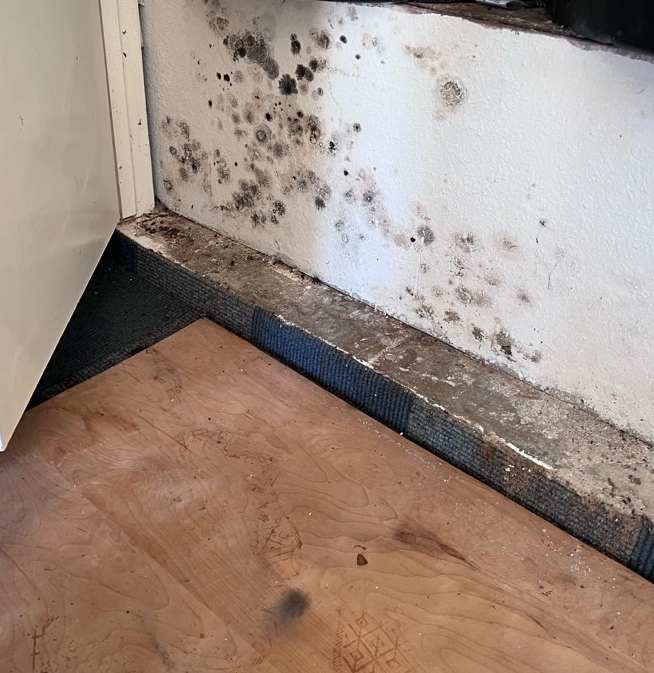
One of the most dangerous aspects of San Antonio humidity mold is that it is often invisible. While you might see a small patch on a bathroom ceiling, the real factory is usually located behind the scenes. Common hiding spots include the backside of drywall, under laminate flooring, inside wall cavities where plumbing runs, and in crawl spaces or attics with poor ventilation.
Hidden mold is particularly problematic because it can grow for months or even years before being detected. During this time, it weakens the structural members of your home. Wood rot is a common secondary effect of prolonged mold growth, as the fungi break down the cellulose that gives wood its strength. By the time a homeowner notices a musty smell or a soft spot in the wall, the damage may already be extensive.
This is why DB Integrity emphasizes the importance of early detection. A musty odor is never “normal,” even in a humid climate. It is a biological signal that mold is actively growing and releasing gases. Detecting these issues early through professional assessments can save homeowners thousands of dollars in reconstruction costs and protect the occupants from prolonged exposure to allergens.
The Health Implications of San Antonio Humidity Mold
Living in a home with elevated mold levels can lead to a variety of health issues, ranging from mild irritation to chronic respiratory conditions. For individuals with asthma or allergies, the presence of mold spores in the air can trigger frequent attacks. Symptoms often include sneezing, runny nose, red eyes, and skin rashes. Because these symptoms mimic seasonal allergies, many San Antonio residents don’t realize their home environment is the culprit.
More concerning is the production of mycotoxins by certain types of mold, such as Stachybotrys chartarum (commonly known as black mold). Prolonged exposure to these toxins can lead to more severe neurological symptoms, fatigue, and immune system suppression. The high humidity in Texas provides the consistent moisture these specific, more toxic molds require to establish themselves.
Ensuring high-quality air quality treatment Texas standards is essential for maintaining a healthy household. Mold doesn’t just damage the building; it affects the people inside. Children and the elderly are particularly vulnerable to the airborne irritants produced by fungal colonies, making indoor humidity control a vital part of family wellness.
The Critical Role of Professional Mold Inspection San Antonio
When homeowners suspect mold, they often turn to DIY test kits found at big-box stores. Unfortunately, these kits are notoriously unreliable and often produce false positives or negatives. A professional mold inspection San Antonio resident can trust involves more than just a visual check. It requires advanced tools like infrared cameras, moisture meters, and air sampling equipment.
Thermal imaging allows professionals to see temperature variations behind walls, which can indicate hidden moisture pockets. Moisture meters can determine if a material is dry enough to inhibit mold growth or if it is currently acting as a reservoir. These technical tools are necessary to find the source of the problem, rather than just treating the visible symptoms.
DB Integrity provides comprehensive inspections that look at the whole house as a system. We analyze airflow, humidity levels, and structural integrity to determine why mold is growing in the first place. Without identifying and fixing the moisture source—whether it is a slow leak, high humidity, or poor ventilation—any cleaning efforts will only be temporary, and the mold will inevitably return.
Effective Air Quality Treatment Texas: A Professional Approach
If mold is discovered, the next step is professional air quality treatment Texas residents can rely on to restore their environment. This process goes far beyond spraying bleach on a wall. In fact, bleach is often ineffective on porous surfaces because its high surface tension prevents it from reaching the mold roots (hyphae) deep within the material.
Professional remediation involves several critical steps:
- Containment: Using heavy-duty plastic sheeting and negative air pressure to prevent spores from spreading to unaffected areas of the home during the cleaning process.
- HEPA Filtration: Utilizing industrial-grade air scrubbers equipped with High-Efficiency Particulate Air (HEPA) filters to remove microscopic spores from the air.
- Antimicrobial Cleaning: Applying specialized, EPA-registered solutions that kill mold and inhibit future growth without damaging the building materials.
- Dehumidification: Using industrial dehumidifiers to drop the relative humidity in the affected area to below 40%, ensuring the environment is no longer conducive to fungal life.
By following these rigorous protocols, DB Integrity ensures that the secret mold factory is permanently shut down. Our team focuses on returning the indoor environment to a “pre-loss” condition, where air quality is safe for all inhabitants. This technical precision is what sets professional restoration apart from simple cleaning.
Preventative Strategies: How to Protect Your Home Year-Round
While San Antonio’s humidity is a constant threat, there are several steps homeowners can take to protect their property. The most important is investing in a high-quality dehumidification system. For many South Texas homes, the AC unit alone is not enough to maintain the ideal 45-50% humidity level. A whole-home dehumidifier can pull gallons of water out of the air every day, significantly reducing the risk of mold.
Ventilation is another key factor. Ensure that bathroom fans and kitchen exhausts are vented to the outside, not into the attic. In the attic, proper ridge vents and soffit vents are necessary to prevent heat and moisture from building up under the roof. If moisture is trapped in the attic, it can lead to “attic mold,” which can eventually penetrate the ceiling and affect the living spaces below.
Regular maintenance is also vital. Check your AC drain line frequently to ensure it isn’t clogged, as a backed-up drain pan is a common cause of water damage and mold. If you ever experience a sudden leak or flood, seek immediate water mitigation San Antonio services. The window of opportunity to prevent mold growth after a water event is typically only 24 to 48 hours.
The Impact of Building Materials on Mold Susceptibility
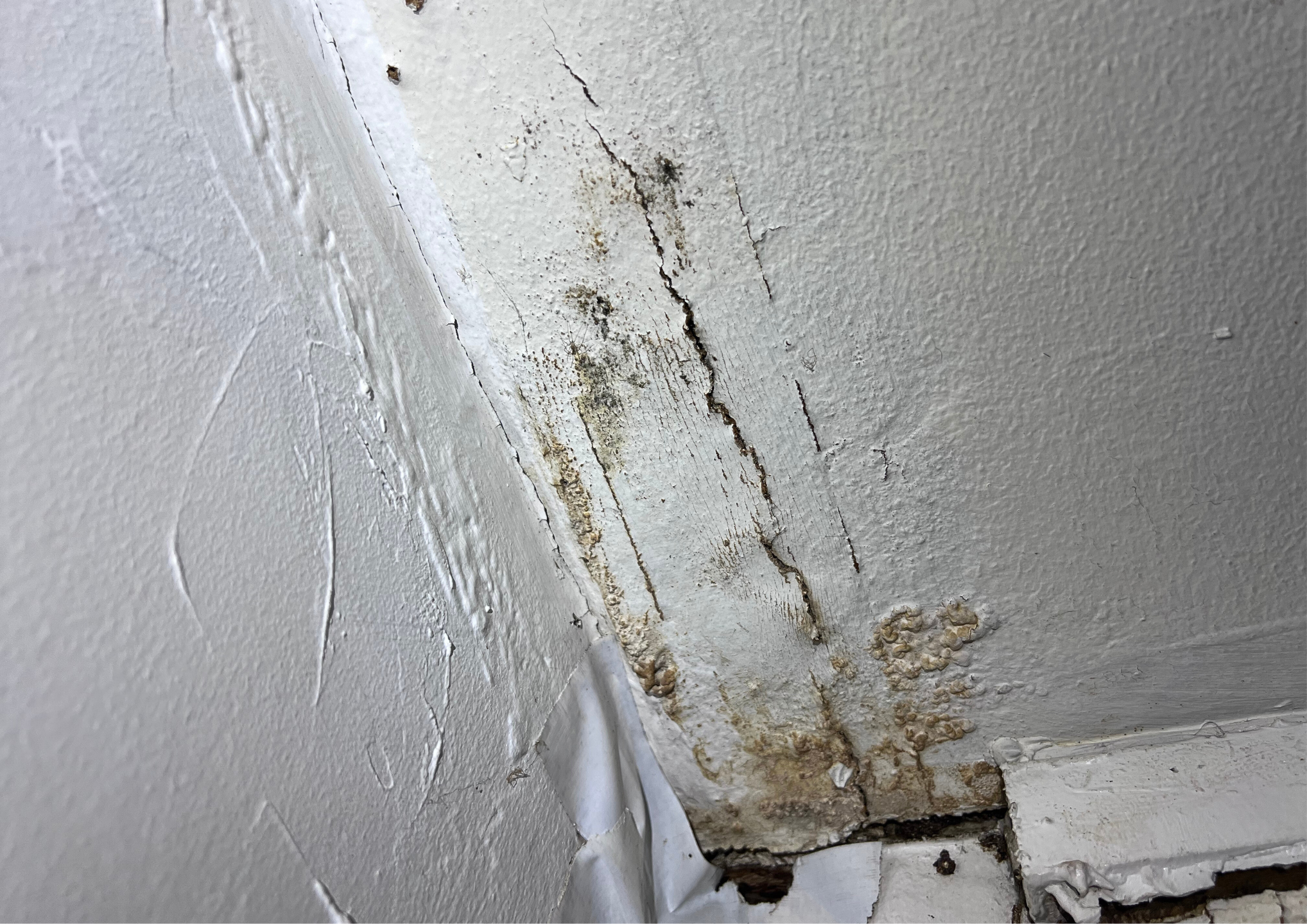
Modern homes are often built with materials that are more “mold-friendly” than those used 50 years ago. Drywall, for example, is essentially a sandwich of paper—a prime food source for mold—and gypsum. When this paper gets damp from humidity, mold can take hold in hours. In contrast, older homes built with plaster and solid wood lath are slightly more resilient, though not immune.
Understanding the materials in your home helps in identifying risk areas. Basements (though rare in San Antonio) and crawl spaces are high-risk zones because they are in direct contact with the ground and often have poor airflow. Using mold-resistant drywall in bathrooms and laundry rooms can provide an extra layer of protection, but even these materials will fail if the humidity is not controlled.
At DB Integrity, we often advise clients on the best materials to use during reconstruction after a mold event. Our goal is not just to fix the current problem but to build back a home that is better equipped to handle the local climate. Choosing the right insulation and vapor barriers can make a significant difference in how your home handles the intense Texas humidity.
Case Studies: Why Local Expertise Matters
In our years serving the San Antonio area, we have seen countless cases where “small” moisture issues turned into major catastrophes. One common scenario involves a slow leak behind a refrigerator or dishwasher. In the high humidity of a San Antonio summer, that small amount of water never dries out. Instead, it creates a localized microclimate where mold thrives, eventually spreading through the subfloor.
Another frequent issue is the “vacation mold” phenomenon. Homeowners leave for two weeks in July, turn their AC up to 80 degrees to save money, and return to find a fine layer of mold on their furniture and clothing. Without the AC running to pull moisture from the air, the indoor humidity climbed to 90%, turning the entire house into a mold factory. These local stories highlight the importance of understanding how San Antonio’s environment interacts with indoor spaces.
As a family-owned and operated business, DB Integrity understands the specific needs of our community. We are Texas state-licensed and committed to completing every project with integrity. Whether you are dealing with a localized issue or need wide-scale restoration, our local experience ensures that we handle the unique challenges of the South Texas climate with the most effective techniques available.
In conclusion, the humidity in San Antonio is more than just a source of physical discomfort; it is a significant environmental factor that can turn any home into a secret mold factory if left unmanaged. By understanding the relationship between relative humidity, temperature, and building materials, homeowners can take proactive steps to protect their property. From maintaining HVAC systems and utilizing dehumidifiers to seeking professional mold inspection San Antonio services at the first sign of a musty odor, vigilance is the key to a healthy home. DB Integrity remains dedicated to providing the air quality treatment Texas families need to breathe easy. Don’t let the invisible moisture in the air compromise your sanctuary. By addressing humidity head-on and relying on professional expertise when issues arise, you can ensure that your home remains a safe, dry, and mold-free environment for years to come.
If you suspect your home has become a victim of San Antonio’s humidity, don’t wait for the problem to grow. Contact the experts at DB Integrity today for a professional assessment and restoration services you can trust. Visit DB Integrity to learn more about our commitment to quality and how we can help you protect your home from the hidden dangers of mold.